Top Purley gardeners for small garden maintenance
If you live in Purley and your garden is more pocket-sized than sprawling, you already know the challenge: a small space can look tidy one week and a bit overwhelmed the next. The right team makes a huge difference. Top Purley gardeners for small garden maintenance are not just there to cut the grass and leave. They help you keep a compact garden healthy, neat, usable, and easy to enjoy without turning it into a full-time weekend job.
Small gardens need a slightly different touch. Every border, hedge, and path matters. One untidy patch can make the whole space feel cramped. On the other hand, a well-kept small garden can feel surprisingly generous, even on a grey afternoon when the light is flat and the soil is damp after a shower. This guide walks through what good maintenance looks like, how it works, what to expect, and how to choose support that genuinely fits a Purley home.
Whether you have a front garden that needs regular care, a narrow rear plot, or a courtyard with awkward corners, you'll find practical advice here. And yes, we'll keep it grounded. No fluff, no lofty promises, just the things that actually matter when you want a small garden to stay in shape.
Table of Contents
- Why small garden maintenance matters in Purley
- How small garden maintenance usually works
- Key benefits and practical advantages
- Who this is for and when it makes sense
- Step-by-step guidance
- Expert tips for better results
- Common mistakes to avoid
- Tools, resources and recommendations
- Law, compliance, standards, and best practice
- Options, methods, and a simple comparison
- Real-world example
- Practical checklist
- Conclusion
- Frequently asked questions
Why Top Purley gardeners for small garden maintenance Matters
Small gardens are often judged unfairly. People assume they are easier than larger plots because there is less ground to cover. In practice, the opposite can be true. A small garden shows everything. A few weeds, one leaning shrub, an overgrown edge, and suddenly the whole space feels cluttered. That's why the best Purley gardeners for small garden maintenance focus on detail, not just speed.
In a compact space, each job has a visible impact. Pruning a shrub by a few inches can open up the whole garden. Trimming a hedge cleanly can make a narrow patio feel brighter. Even removing a small amount of debris can change the feel of the place. It sounds minor, but you notice it immediately when you step outside with a cup of tea and the space feels calm instead of busy.
Purley gardens also deal with typical South London pressures: shaded corners, hard surfaces, boundary hedges, a mix of mature and newer planting, and the usual patchy weather. Little gardens can become waterlogged, dry out quickly, or collect leaf litter from nearby trees. A knowledgeable gardener sees those patterns early and keeps the maintenance routine sensible rather than heavy-handed.
Key point: the best small-garden maintenance is about proportion. The work should make the space feel bigger, simpler to use, and easier to look after between visits.
How Top Purley gardeners for small garden maintenance Works
Good maintenance usually starts with a quick look at what the garden actually needs, not what a rigid schedule says it needs. That sounds obvious, but it's where a lot of jobs go wrong. A small courtyard with paving, a few planters, and a climber needs a very different approach from a tiny lawn edged with shrubs.
Most maintenance visits focus on a handful of core tasks:
- Lawn mowing and edging where a lawn exists
- Weed removal from beds, borders, paths, and paving joints
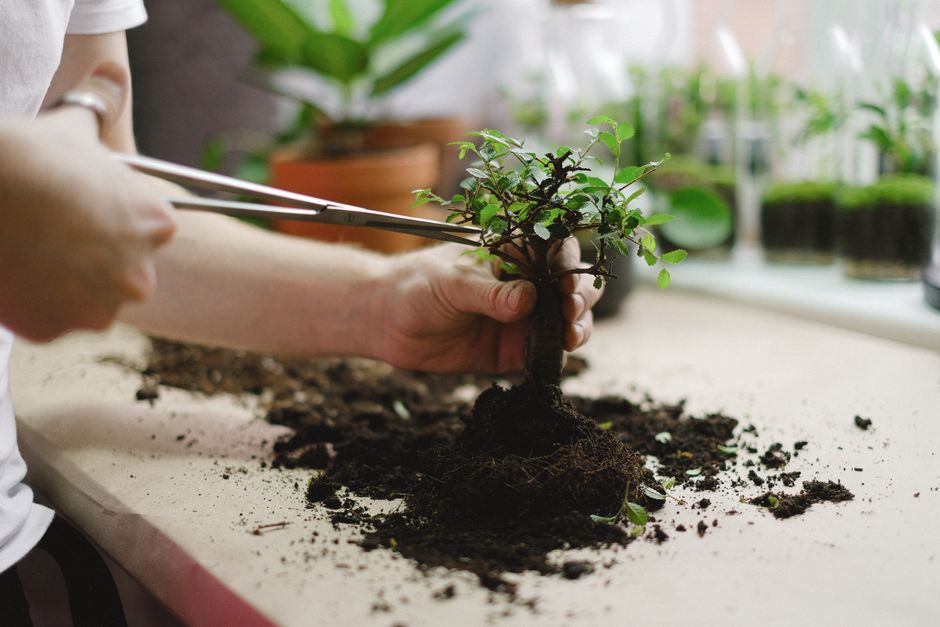
- Light pruning to keep plants in shape and prevent crowding
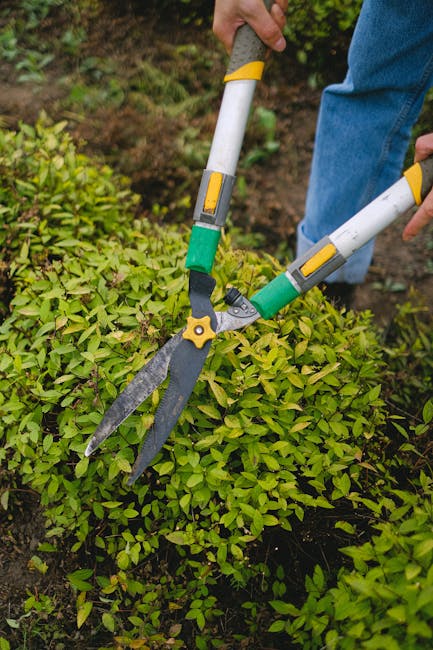
- Hedge trimming and boundary tidying
- Deadheading and general plant tidy-up
- Leaf clearing and seasonal debris removal
- Checking for overgrowth, pests, or stressed plants
In a small garden, that work is often done with a lighter touch than people expect. There's usually no need to strip everything back. The aim is to preserve the character of the garden while stopping it from becoming messy or overcrowded. To be fair, that restraint is what separates a decent gardener from someone who just wields a hedge trimmer and hopes for the best.
Many homeowners in Purley prefer either a one-off reset or a recurring maintenance plan. A one-off visit helps if the garden has got away from you a bit, maybe after a busy few months or a holiday. Ongoing maintenance is better if you want the space to stay consistent with less effort on your side. Weekly, fortnightly, or monthly visits can all work depending on growth rate, planting style, and how much use the garden gets.
If your garden is being redesigned or rebalanced, it can help to look at broader services too. For example, some properties benefit from landscape gardening when the basic layout feels awkward, while others only need steady care through garden maintenance to keep things under control.
Key Benefits and Practical Advantages
There's a very practical reason people search for top Purley gardeners for small garden maintenance: it saves time, reduces stress, and keeps the space usable. But the benefits go deeper than that.
1. Better use of limited space. Small gardens can feel cramped if edges blur into each other. Regular maintenance keeps pathways clear, seating areas usable, and planting balanced.
2. Healthier plants. A light prune at the right time, a bit of feeding or mulching where needed, and removal of damaged growth can all help plants stay stronger. Nothing fancy. Just consistent care.
3. Fewer expensive problems later. Letting shrubs, hedges, or self-seeding weeds run unchecked often creates a bigger job later. It can also hide issues like disease, bark damage, or drainage trouble.
4. Better curb appeal. In a neat Purley street, the front garden often shapes the first impression. A tidy frontage tends to look cared for even when the garden itself is simple.
5. Easier DIY between visits. Once a professional reset has been done, small upkeep becomes much more manageable for you. A quick deadhead here, a sweep there, and you are no longer fighting a losing battle every weekend.
There is also a mental benefit people rarely mention. A small, well-kept garden tends to feel like part of the home instead of a separate job list. That matters when you are trying to enjoy the space rather than constantly plan to fix it. Funny how a few careful cuts can do that.
Who This Is For and When It Makes Sense
Not every garden owner needs the same level of support. The best fit for small garden maintenance depends on how you use the space, how much time you have, and how quickly things grow in your particular patch of Purley.
This service is especially useful if you:
- Have a compact front or rear garden that looks untidy quickly
- Want regular care without hiring a full landscaping project
- Struggle to keep up with mowing, edging, or pruning
- Have hedges or shrubs that need shaping but not major reduction
- Rent out a property and need the outside space to stay presentable
- Use your garden for sitting, entertaining, or children's play
- Have mobility limitations or simply prefer not to do the physical work yourself
It also makes sense after periods of neglect. Truth be told, many people call for help after one season got away from them and now the garden feels like it has doubled in size. That happens. A lot. The good news is that small gardens are usually very recoverable with the right first visit.
You may not need frequent visits if your planting is low maintenance, your garden is mostly paved, or you genuinely enjoy doing the work yourself. But if the same tasks keep slipping down your list, regular help often works out cheaper in time and frustration than dealing with a bigger tidy-up later.
Step-by-Step Guidance
If you are hiring help for the first time, or just want to understand what a proper maintenance routine looks like, here's the basic flow.
1. Assess the space honestly
Start by noting what actually needs attention. Is it mainly the lawn? Are weeds pushing through gravel? Are shrubs blocking light? Small gardens can look generally messy when only one or two problems are really driving it.
2. Decide on priorities
Not everything must be done in one visit. Good gardeners will often tackle the most visible or limiting issues first, such as clearing pathways, taming edges, or getting the lawn back into shape. That gives the strongest immediate improvement.
3. Set a realistic maintenance rhythm
Growth changes through the year. In spring and early summer, some gardens need more frequent visits. In late autumn and winter, less. A sensible routine follows the season rather than forcing the same schedule all year.
4. Tidy, then refine
The best results usually come from a two-stage approach: first remove the clutter, then shape what remains. For example, weeds come out before edging is sharpened, and only then do the borders get a final visual check. It sounds small, but the order matters.
5. Check the details
In a small garden, finish quality counts. Look at cut lines, corners, drainage spots, and the base of hedges or planters. A tiny missed patch in a large garden barely registers. In a small one, it jumps out.
6. Keep a light between-visit routine
Even with professional help, a quick sweep, watering in dry spells, and ten minutes of weeding can keep things manageable. You do not need to become a gardening enthusiast overnight. Just keep the garden from drifting.
If your space includes awkward vertical elements, containers, or screening plants, it can be worth learning a little more about structure and privacy planting. Our guide to tall potted plants that provide outdoor privacy is a useful companion read for small spaces that need a little more enclosure.
Expert Tips for Better Results
Here's where small-garden care gets a bit more nuanced. The aim is not to do more work; it is to do the right work.
Keep planting layered but not crowded. A small garden benefits from structure, yet too many competing heights and textures make it feel fussy. A neat mix of low, medium, and one or two taller features usually works better than trying to cram everything in.
Trim for shape, not just size. A hedge or shrub that has been reduced badly can take ages to recover visually. Better to take a modest amount off more often than to make one dramatic cut and hope for the best.
Use hard edges wisely. Clean edging around a lawn, path, or border gives a small garden a crisp frame. That frame can make the whole space look intentional, even if the planting is simple.
Respect light. In a compact garden, one overgrown shrub can cast a lot of shade. If things look gloomy by late afternoon, the issue may be height and placement more than plant choice.
Choose maintenance-friendly plants. If you are replanting, think about what will stay tidy with light pruning and seasonal care rather than high-maintenance showpieces that need constant attention.
Don't over-mulch or overfeed. It is easy to think more is better. Sometimes it just makes a garden heavy and over-supplied. Small spaces usually benefit from moderation.
A slightly unexpected tip? Keep one or two focal points. A bench, a pot display, or a small flowering shrub can make the garden feel composed. Without that, everything sort of melts into the middle. Not disastrous, just a bit bland.
Common Mistakes to Avoid
Small gardens are forgiving in some ways and brutally revealing in others. These are the mistakes we see most often.
- Trying to do everything at once. A rushed overhaul often creates more mess than progress.
- Cutting too hard. Over-pruning can leave a garden looking sparse, exposed, or oddly flat.
- Ignoring boundaries. Hedges, walls, fences, and edging define a small space. Let them go, and the garden starts to shrink visually.
- Forgetting access. In tight gardens, the route to bins, gates, sheds, and seating matters a lot.
- Using the wrong tools. Big equipment in a compact garden can be awkward and imprecise.
- Letting weeds seed. One missed cycle can mean a much larger job later.
- Assuming low maintenance means no maintenance. Usually it means smarter maintenance, not none at all.
Another common one: homeowners sometimes ask for a "quick tidy" when the garden actually needs a reset. That is fine, but it helps to be honest about the starting point. A good gardener would rather know the truth than be surprised halfway through with a thicket behind the shed.
Tools, Resources and Recommendations
The right tools make a noticeable difference in small garden maintenance. You do not need a van full of kit, but a few well-chosen tools are very helpful.
| Tool | Why it helps in a small garden | Best for |
|---|---|---|
| Hand shears or compact hedge trimmers | Gives cleaner control around borders and tight edges | Hedges, shrubs, shaping |
| Lightweight mower | Easier to manoeuvre around narrow lawns and turns | Small lawns |
| Hand fork and hand trowel | Useful for close-up weeding and planting in tight beds | Borders, planters, container work |
| Leaf rake or blower | Quickly clears debris without disturbing planting too much | Seasonal tidying |
| Secateurs | Ideal for precise cuts on stems and smaller shrubs | Deadheading, pruning |
| Bin bags or garden sacks | Keeps the job neat and avoids leaving waste behind | Clippings, weeds, light waste |
For homeowners who want to understand the wider service picture, browsing the site's services overview can help you see where small garden maintenance sits alongside other garden work. If the space needs a bigger clean-up first, garden clearance may be the more sensible starting point before routine care begins.
And if your garden includes a lot of edging, regular clipping, or overgrown borders, hedge trimming and lawn mowing are two of the most commonly requested maintenance tasks for compact plots. The trick is not to overcomplicate it. Start where the garden looks busiest.
Law, Compliance, Standards, and Best Practice
For most small garden maintenance jobs, there is no complicated legal process. Still, a trustworthy gardener should work to sensible UK standards of care, especially where safety, waste handling, and property boundaries are concerned.
Insurance matters. Any professional working at your property should have appropriate cover for public liability and safe working practices. If tools, ladders, or powered equipment are involved, that becomes even more relevant. It is just good sense. No one wants avoidable accidents turning a simple visit into a headache.
Waste should be handled responsibly. Cuttings, weeds, and green waste should be removed or disposed of properly. Some materials may be recycled or composted where suitable. If a company talks about sustainability, it should mean something practical, not just a nice slogan. That is why many homeowners ask about recycling and disposal habits before booking. You can also review a provider's recycling and sustainability approach if that matters to you.
Safety should not be an afterthought. Garden work can involve sharp tools, slippery paving, awkward lifting, and hidden trip hazards. Good practice means clearing access, checking surfaces, and using tools appropriately. A tidy job is not a good job if it ignores safety.
Respect for boundaries and access. If a garden backs onto neighbours, care should be taken with hedge cuttings, noise, and access routes. It is usually simple enough, but in a dense residential area like Purley, being considerate goes a long way.
For peace of mind, many customers also like to know how a business handles insurance and safety or what happens if they need to raise a concern. That sort of transparency builds trust quickly, and rightly so.
Options, Methods, and a Simple Comparison
Not every garden needs the same level of service. Here is a simple comparison of the most common approaches for small garden upkeep.
| Approach | Best for | Pros | Watch-outs |
|---|---|---|---|
| One-off tidy-up | Overgrown or neglected small gardens | Fast visible improvement, resets the space | May not stay neat for long without follow-up |
| Regular maintenance visits | Gardens that grow quickly or are used often | Keeps the garden under control, less effort for you | Needs a consistent schedule |
| Seasonal maintenance | Gardens with slower growth or limited use | Good balance of cost and upkeep | May need extra help during peak growing months |
| Maintenance plus structural work | Spaces that feel cramped, tired, or poorly arranged | Combines upkeep with practical improvement | Costs more at the start, though often worth it |
If your garden is mostly in decent shape, regular care is usually enough. If it has become awkward, shaded, or difficult to use, a blend of maintenance and light redesign may be more effective. That's where a broader service like landscaping or more detailed decking services can sometimes support the overall layout, especially where a small outdoor area needs a stronger structure.
Case Study or Real-World Example
Here's a realistic example from the kind of job that comes up all the time in small Purley gardens.
A homeowner had a narrow rear garden with a modest lawn, two shrub beds, a couple of pots, and a hedge running along one boundary. Nothing dramatic. But after a wet spring and a busy summer, the lawn was patchy, the hedge had started leaning into the path, and weeds had crept through the paved edge. The space was still usable, but it felt smaller than it really was.
The first visit focused on clearing the paths, edging the lawn, trimming the hedge lightly, and removing growth that was blocking light. The beds were weeded and tidied rather than stripped bare. A few spent stems were cut back, and the remaining planting was left in a shape that still looked natural. That made a surprising difference. The garden did not look "redone"; it looked restored. There's a difference, and homeowners usually feel it straight away.
On later visits, the maintenance plan became much simpler. Light mowing, occasional hedge attention, and seasonal tidying kept the garden presentable without needing a major reset again. The owner could finally use the patio in the evenings without feeling like the garden was nagging them in the corner of the eye. Small win, big relief.
Practical Checklist
Use this checklist if you are planning small garden maintenance in Purley and want to make sure nothing obvious gets missed.
- Check whether the garden needs a one-off tidy or ongoing visits
- List the main problem areas: lawn, hedge, borders, paving, pots, access
- Decide what matters most: appearance, usability, plant health, privacy, or all of the above
- Look for a gardener who understands small spaces, not just large gardens
- Ask how waste will be removed or handled
- Confirm whether the work includes mowing, pruning, edging, and seasonal clear-up
- Make sure access is straightforward before the visit
- Discuss timing so the work fits the growth pattern, not just a random date
- Keep a basic between-visit routine: sweep, water, deadhead, and pull obvious weeds
- Review the result after the first visit and adjust the schedule if needed
Quick reminder: if the garden feels messy, do not assume it needs a complete rebuild. Often it just needs the right sequence of care. One step at a time.
Conclusion
Top Purley gardeners for small garden maintenance bring something very practical to the table: they help compact gardens look composed, function properly, and stay manageable throughout the year. In a small space, careful maintenance is not about doing more. It is about doing the right things at the right time, with a light but confident touch.
If your garden has started to feel busy, cramped, or simply harder to keep up with than it should, now is a sensible moment to act. A good maintenance routine can turn a tricky little outdoor area into one of the best parts of the home. And honestly, that is what most people want in the end - somewhere calm, tidy, and pleasant to step into, even if only for five quiet minutes before dinner.
For more detail on service options, you may also want to explore pricing and quotes or learn more about the team behind the work on the about us page. If you are ready to discuss your garden and get it moving in the right direction, the next step is straightforward.
Get a free quote today and see how much you can save.
With the right help, even a modest garden can feel open, tidy, and quietly satisfying again. That's the nice bit, really.
Frequently Asked Questions
What do small garden maintenance gardeners in Purley usually do?
They usually handle the core jobs that keep a compact outdoor space neat: mowing, edging, weeding, hedge trimming, pruning, leaf clearance, and general tidy-up work. In smaller gardens, the details matter more, so the work is often lighter and more precise than in larger plots.
How often should a small garden be maintained?
It depends on growth, planting, and how much you use the space. Many small gardens do well with fortnightly or monthly care during the growing season, then less frequent visits in slower months. A good gardener will adjust the schedule rather than force a one-size-fits-all plan.
Is a one-off tidy enough for a small Purley garden?
Sometimes, yes. If the space is generally manageable, one tidy-up may be enough to restore it. But if weeds keep returning, hedges grow quickly, or you simply do not have time for upkeep, ongoing maintenance usually works out better.
Do small gardens cost less to maintain than larger ones?
Usually they do, because there is less area to cover and fewer materials involved. That said, small gardens can be fiddly, and tricky access or detailed shaping can take time. So the price is not just about size; it is about complexity too.
What should I ask before hiring a gardener for a small garden?
Ask what is included, how often they recommend visits, whether waste is removed, whether they are insured, and whether they have experience with compact spaces. It also helps to ask how they would approach your garden specifically, not just what they offer generally.
Can a small garden be made to look bigger through maintenance?
Yes, often. Clean edges, trimmed planting, reduced clutter, and clear sight lines can all make a small garden feel more spacious. Sometimes a few careful cuts create a much better sense of openness than a major redesign would.
What is the difference between garden maintenance and garden clearance?
Garden maintenance is the regular care that keeps a garden in good condition. Garden clearance is more of a reset, usually for overgrown or neglected spaces. If your garden has got away from you, clearance may come first, followed by maintenance.
Do I need hedge trimming if my garden is small?
If your hedge affects light, access, privacy, or the look of the space, yes. In small gardens, even a modest hedge can have a big visual impact. Light, regular trimming usually works better than letting it become a bigger job.
How do I keep a small garden low maintenance without making it boring?
Use a simple structure, choose plants that suit the space, keep hard edges clean, and limit the number of different features competing for attention. A couple of focal points can stop the garden feeling flat. Low maintenance does not have to mean plain.
Are there safety or insurance checks I should make?
Yes. A professional gardener should have sensible insurance and safe working practices, especially if powered tools or ladders are involved. It is reasonable to ask about this before booking, and it is a good sign when the answer comes easily and clearly.
What should I do before the gardener arrives?
Clear access, move any fragile items, point out problem areas, and mention anything unusual such as hidden drains, slippery paving, or planted areas you want left alone. A short walkthrough at the start saves time and usually improves the outcome.
Can maintenance include privacy planting or container care?
Yes, if agreed in advance. Many small gardens rely on pots, climbers, or compact screening plants to create privacy without taking up too much room. Those features need their own regular care, though, because containers dry out and fill up quickly.